

Can electrolytes cause heart palpitations?

Written by Stephanie Eckelkamp (opens in a new tab)
Medically reviewed by Ecler Ercole Jaqua, MD, MBA, DABOM (opens in a new tab)
Key points:
- Heart palpitations are common and usually harmless, especially during or after exercise, sweating, dehydration, or rehydration.
- Dehydration lowers blood volume and disrupts electrolyte balance, which can make heartbeats feel stronger, faster, or irregular by altering the heart’s electrical signaling.
- In some people, rehydrating with fluids and electrolytes may be accompanied by brief palpitations as the cardiovascular system adjusts to increased blood volume.
- In people with healthy kidneys and normal blood pressure, electrolytes generally support normal heart rhythm rather than disrupt it.
You’re mid-workout, sweating hard, and you feel a flutter in your chest, or your heart races for a few beats. Or it feels like it skips a beat, then thumps. That’s a heart palpitationOpens in a new tab — the sensation that your heart is beating fast, slow, or irregularly. Most palpitations are harmless and short-lived, but they can be unsettling to experience. And if they happen right after drinking electrolytes, you might assume electrolytes are to blame.
When you significantly change the balance of fluids and electrolytes, your cardiovascular system may need to adjust. When that happens, your heartbeat can briefly feel faster, stronger, or slightly irregular.
In fact, in most cases, electrolytes are part of the solution. Your heart runs on electricity, and electrolytes like sodium, potassium, calcium, and magnesium help make that electrical system work. They also regulate fluid balance and blood volume, which affects how hard your heart has to pump. Get the balance right, and your heart has an easier job.
Below, cardiovascular surgeon and LMNT Partner Dr. Jeremy LondonOpens in a new tab breaks down what causes palpitations, when they’re a reason for concern, and why electrolyte supplementation generally supports healthy heart rhythm rather than disrupting it.
Heart Palpitations, Explained
Heart palpitations are an awareness of your heart beating in a way that feels abnormal. You might feel them in your chest, throat, or neckOpens in a new tab. They can feel like:
- A fast heart rate: a racing or pounding sensation
- A slow heart rate: feeling that your heart is beating too slowly or not frequently enough.
- Irregular beats: skipped beats, extra beats, flutters, flip-flopping sensations, or pounding.
Palpitations are usually harmless and don’t indicate a heart problem, especially in otherwise healthy people.
Typical palpitations
The vast majority of heart palpitations are not dangerous if they resolve on their own and aren’t accompanied by chest pain, shortness of breath or lightheadedness, says London. Even heart palpitations that last several minutes or an hour can be harmless in the absence of concerning symptoms.
Here’s what normal palpitations can feel like:
- A racing, pounding, or irregular heartbeat lasting for a few seconds or minutes — even if you’re sitting still
- Occasional extra beats, flutters, or flip-flopping sensations throughout the day
- Heart racing out of proportion with the intensity of your workout that settles with rest
- An increased heart rate when you’re stressed or anxious that calms down when you do
- Awareness of your heartbeat or a pounding, racing heart when lying down at nightOpens in a new tab (quiet surroundings can make palpitations more noticeable), especially if you sleep on your left side (this brings the heart closer to the chest wallOpens in a new tab, making normal beats or minor irregularities easier to feel).
When you should be concerned
If your heart palpitations don’t go away within a few minutesOpens in a new tab, or they are accompanied by the red flagOpens in a new tab symptoms below, go see your doctor. It could indicate an underlying condition like a harmful arrhythmiaOpens in a new tab (an irregular heart rhythm).
- Pain, pressure or tightness in your chest, neck, jaw, arm, or upper back
- Shortness of breath or trouble breathing
- Lightheadedness or dizziness, confusion, or fainting
- Unusual sweating
You should also check in with your doctorOpens in a new tab if you have heart palpitations that increase in frequency and intensity. The same goes for anyone with a medical condition that could increase risk of having an abnormal heart rhythm, such asOpens in a new tab high blood pressure, diabetes, or hyper- or hypothyroidism.
If none of those red flags apply, palpitations are generally harmless.
Your Heart's Electrical System Depends on Electrolytes
Every heartbeat is an electrical eventOpens in a new tab caused by signals that depend on electrolytes. Sodium, potassium, calcium, and magnesium move in and out of heart cells in patterns that allow your heart to contract and relax in a coordinated rhythmOpens in a new tab. Here’s how:
Sodium initiates each heartbeat
Sodium plays a key role in the electrical conduction that allows heart muscle cells to transmit each heartbeat. It rushes into heart muscle cells and creates a positive electrical charge that primes the heart to contract. This electrical signal spreads from cell to cell like a wave, allowing the heart to beat in a coordinated, synchronized pattern. Abnormal sodium levels — particularly low sodium — can disrupt electrical signalingOpens in a new tab, making palpitations more likely: Heart cells may fire a little earlier than usual, which could feel like extra beats, skipped beats, or a fluttering sensation.
Sodium also helps maintain blood volumeOpens in a new tab by supporting the movement of water out of the gastrointestinal (GI) tract and into the bloodstream. When sodium and fluid levels drop, blood volume falls and the heart compensates by beating harder and faster, which can make heartbeats feel faster, stronger, or more noticeable.
Calcium triggers the contraction
After sodium initiates an electrical signal, calcium flows into heart muscle cells and sustains that charge. This process, known as excitation-contraction coupling, is what turns an electrical signal into a physical heartbeat by allowing muscle fibers to contract.
If calcium levels are too low or too high, the strength and timing of contraction can be affected, which may cause the heart to contract weakly or out of sync.
Potassium resets the heart after each beat
After the heart contracts, potassium flows out of heart muscle cells, restoring the resting electrical state and preparing the heart for the next contraction.
Both low and high potassium can lead to rhythm disturbances. When potassium is too low, heart cells can't fully reset, making them prone to firing extra beatsOpens in a new tab.
Magnesium keeps the rhythm stable
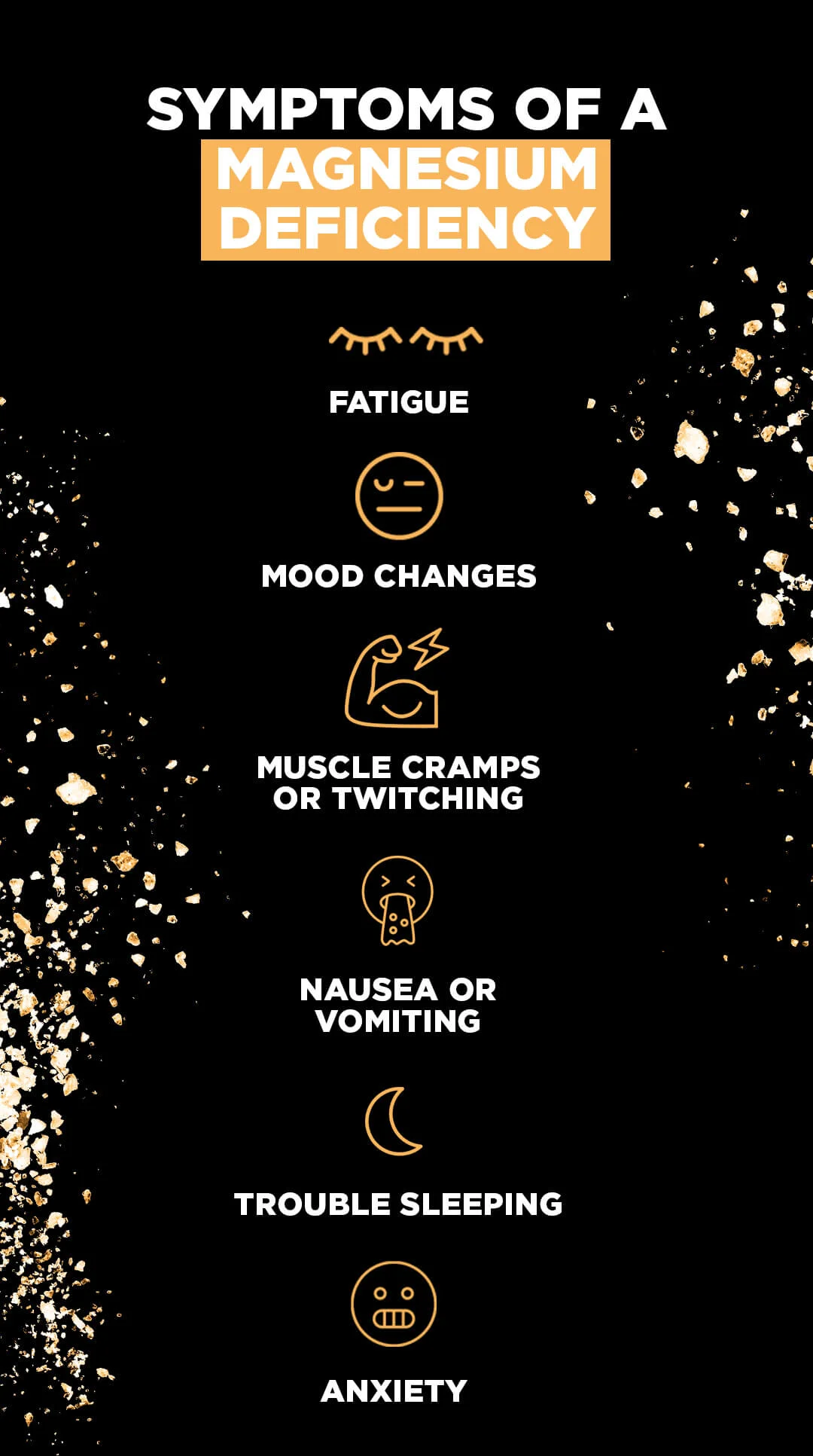
Magnesium coordinates the movement of potassium and calcium in and out of heart cells and helps stabilize electrical activity so cells don’t fire unpredictably. Low magnesium is associated with increased risk of irregular heart rhythmsOpens in a new tab.
Magnesium is also essential for energy production. Every heartbeat requires energy in the form of adenosine triphosphate (ATP), and ATP can’t be produced or usedOpens in a new tab without magnesium.
Electrolytes and Heart Palpitations
The relationship between electrolytes and palpitations works both ways, says London — meaning: Depletion — and possibly processes that support rehydration — can trigger heart palpitations.
Dehydration and electrolyte depletion
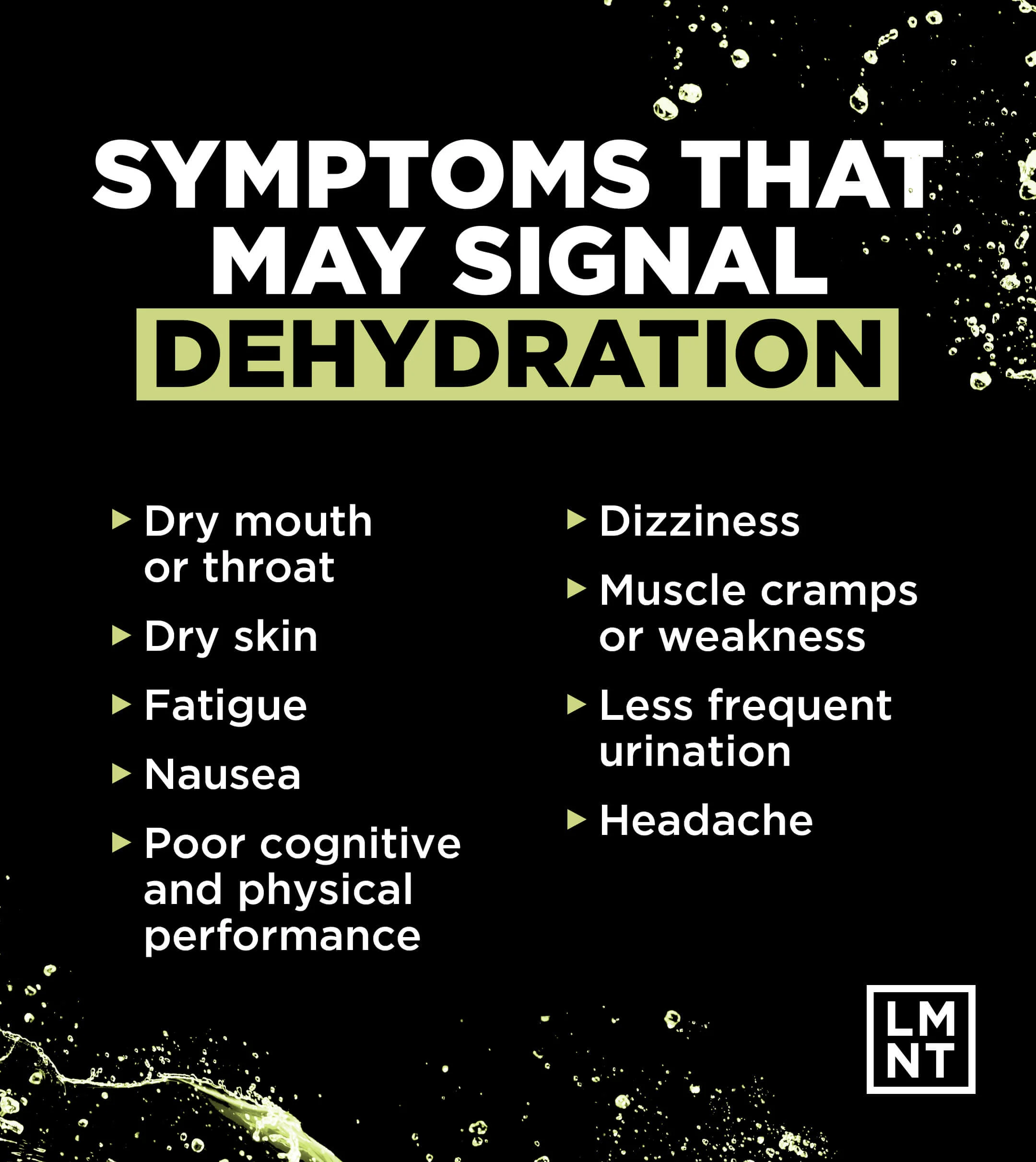
During a workout — or any time you sweat — you lose fluids and electrolytes. Your blood volume drops,Opens in a new tab which forces your heart to work harderOpens in a new tab to circulate blood throughout your body. This extra effort can increase your heart rate. Try to start your workout intentionally hydratedOpens in a new tab; dehydration during exercise can increase the chances of palpitations.
When you're dehydrated, palpitations often come with a side of lightheadedness — or that feeling where your heart is pounding way harder than the effort warrants. Palpitations from dehydration can also happen after a sauna session or anytime you’re not getting enough fluids.
Sweat long enough and you can lose enough electrolytes to throw off your heart's electrical signaling a bit. That can also contribute to palpitations.
Rehydration palpitations
Staying hydrated can help keep your heartbeat steady, but some people notice harmless palpitations when rehydrating, says London. The exact reason isn’t fully clear, but it may have to do with your body quickly adjusting to new fluid and electrolyte levels, or the heart responding to a sudden increase in blood returning to it. The key word here is "harmless". These palpitations are benign and self-limiting, not a reason to avoid rehydrating.
Think of it this way: Your cardiovascular system is basically a big closed loop, with a pump (your heart) at the center. The right side of your heart collects blood and pumps it to your lungs to pick up oxygen. That oxygen-rich blood then flows into the heart’s left side, where it’s pumped to your organs.
When you add fluid to this system, you increase the volume of blood circulating through the loop. “To accommodate the increase,” says London, “sometimes your heart will get faster before it gets slower.”
In otherwise healthy people, temporary palpitations after rehydrating with electrolytes usually don’t mean you’ve consumed too many. You could have rehydrated with plain water or a reasonable level of sodium and still felt them, says London.
People with normal kidney function and blood pressure generally tolerate electrolyte supplementation well. Now, if you have kidney diseaseOpens in a new tab, heart failureOpens in a new tab, hypertension, or you're on medicationsOpens in a new tab like diuretics — basically anything that affects how your body handles fluid and electrolytes — talk to your doctor before supplementing. Remember to hold a “big picture” perspective in these conversations — one that includes diet and lifestyle and isn’t just focused on adding or subtracting nutrients in isolation.
Palpitations Are Usually Feedback, Not a Warning
There’s no denying that heart palpitations can sometimes feel scary, but in most cases, they’re nothing to worry about. If they happen during or after a workout, they’re often a signal that your system is temporarily out of balance from dehydration or rehydration. And by the way, factorsOpens in a new tab like high stress, poor sleep, and high caffeine intake (typically considered more than 400 mg per dayOpens in a new tab) can also trigger palpitations.
If you notice palpitations after using electrolytes, they’re usually just a sign that your body is doing what it does best: adapting. Try adjusting the dose or slowing your intake to see what works best for you.
If palpitation symptoms persist, worsen, or are paired with red flags like chest pain, dizziness, or shortness of breath, seek medical attention. But for people with healthy kidneys and normal blood pressure, electrolytes generally support — rather than disrupt — a healthy heart rhythm.
FAQ
Q: Can electrolytes cause dangerous heart arrhythmias?
A: In healthy people with normal kidney function and blood pressure, electrolytes are unlikely to cause dangerous arrhythmias (heart rhythm irregularities). Harmful arrhythmias typically occur in people with kidney disease, heart failure, or who are taking medications, as these may affect the body's ability to filter, reabsorb, and excrete electrolytes appropriately. If you have any of these conditions, work with your doctor to determine appropriate electrolyte intake.
Q: Why do dehydration and rehydrating cause palpitations?
A: Dehydration lowers blood volume and disrupts electrolyte balance, increasing strain on the cardiovascular system and altering the heart’s electrical signaling. The result can be heartbeats that feel faster, stronger, or irregular. When fluids and electrolytes are reintroduced, brief palpitations can also occur as blood volume rises and the system re-stabilizes.
Q: I get palpitations every time I drink electrolytes. What should I do?
A: This doesn’t necessarily mean electrolytes are the problem. Palpitations can happen when your body is shifting from a depleted state to a rehydrated state, particularly if you were chronically dehydrated beforehand. If symptoms continue, talk to your doctor who can help you rule out underlying heart rhythm issues or determine if you may need a different electrolyte ratio. The solution is usually individualization, not elimination of all electrolytes.